Introduction
Cryptocurrencies are no longer a small niche market they are now a major part of the global financial system. People invest in crypto, traders buy and sell it daily, and companies build new products around it. But with all the potential rewards come many risks.
In 2025, risks in the cryptocurrency world are still a big concern. Investors can make money… but they can also lose money sometimes very fast. Big reports show people are losing billions to hacks, scams, and bad decisions.
This article explains crypto risks clearly and simply. You’ll learn:
- What the biggest risks are
- Why they happen
- How experts describe them
- What real data from 2025 tells us
- How to be safer in crypto
All explanations here are in very easy English, so even beginners can understand.
1. Volatility The Rollercoaster of Crypto Prices

One of the most basic risks in crypto is volatility.
What Is Volatility?
Volatility means that prices go up and down very quickly.
Bitcoin, Ethereum, and even smaller tokens can:
- Go up 10% in a day
- Then drop 20% the next day
This movement is much bigger than most traditional investments like stocks or bonds.
Why Is Crypto So Volatile?
There are several reasons:
- Crypto markets never close they run 24/7
- Many traders focus on short‑term gains
- Small sell or buy orders can move prices a lot
- News travels fast and immediately affects sentiment
What This Means for You
If you invest without understanding volatility, you may:
- Lose money quickly
- Get scared and sell at the wrong time
- Buy at a high price and see value fall
Tip: Crypto is not like a savings account. Expect highs and lows.
2. Security Risks Hacks, Scams, and Thefts
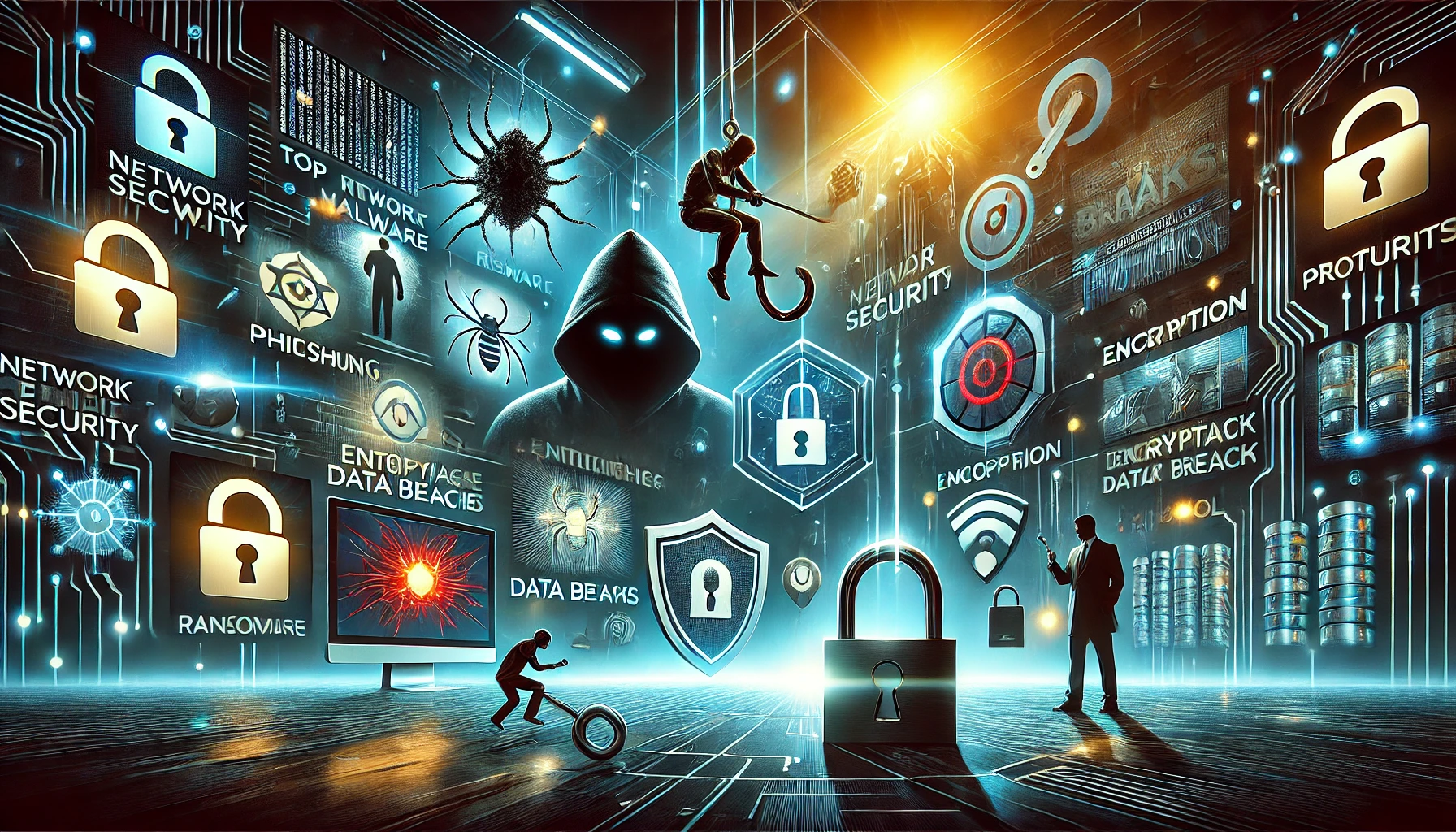
Crypto technology itself (blockchain) is secure but the systems around it are not always safe.
Wallet Hacks and Scams
In 2025, reports show investors lost nearly $2.5 billion to hacks and scams including phishing and stolen wallets.
These losses happened because of:
- Hackers breaking into exchanges
- Fake websites tricking people into signing in
- Scam tokens that disappear after launch
Real World Threats
Security risks are not only online. In some cases, criminals use physical threats like forcing someone to reveal access to their crypto. These real‑world attacks are known as “wrench attacks.”
How to Protect Yourself
To stay safer:
✔ Use hardware wallets instead of online wallets
✔ Enable two‑factor authentication (2FA)
✔ Never click links from unknown sources
✔ Store private keys offline
Security is one of the most important risks to understand.
3. Scams and Fraud Rug Pulls, Pump‑and‑Dumps
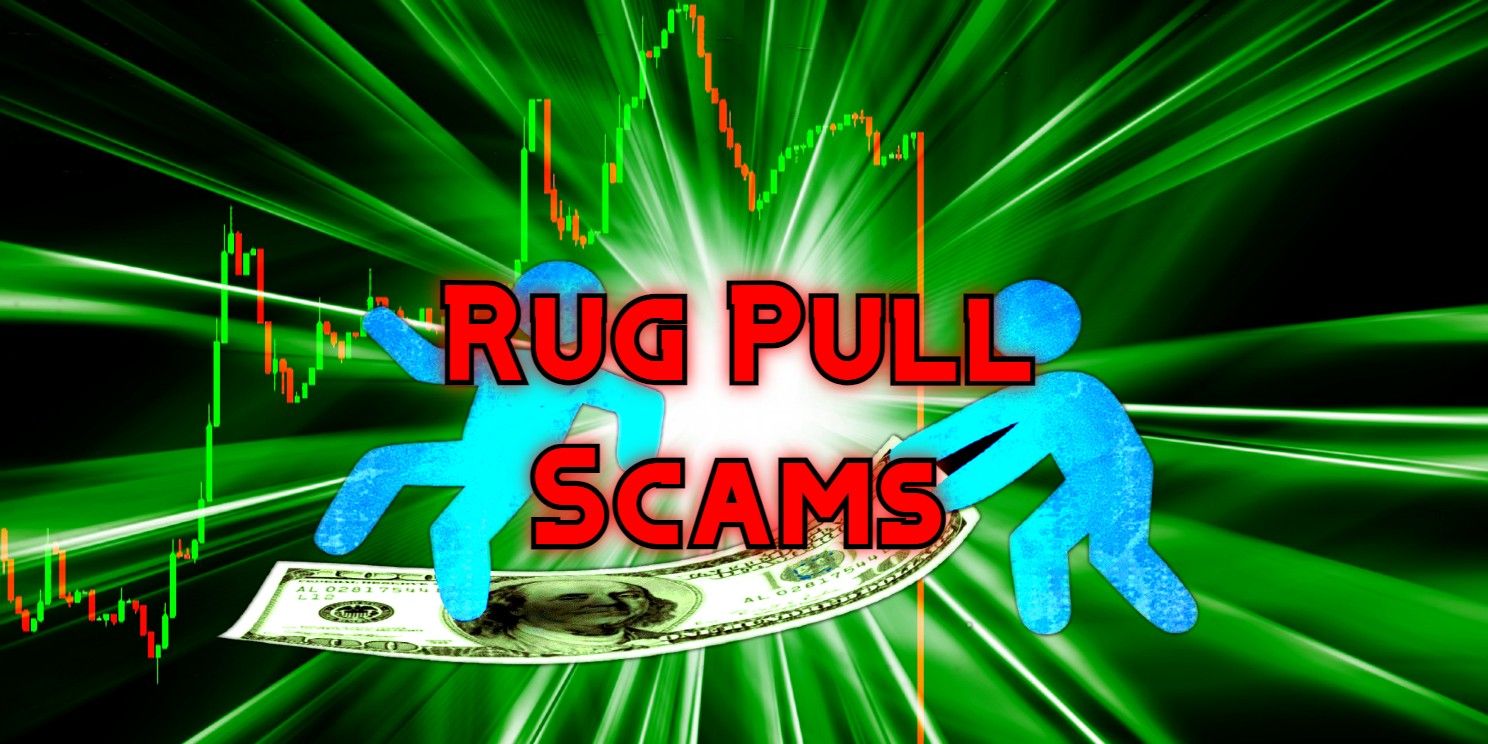
Crypto is attractive to scammers because it’s easy for anyone to launch a token or a project with little oversight.
Common Crypto Scams
Examples include:
- Rug pulls: Developers disappear after collecting money
- Pump‑and‑dump schemes: Groups coordinate to inflate price and sell
- Fake ICOs or token sales: Projects with no real product
Scams exploit hype and lure inexperienced investors who react emotionally.
Why Scams Still Happen
Crypto’s decentralized nature means:
- No central authority to block fake projects
- Easy token creation tools
- Anonymous teams without accountability
This makes risk huge for new investors.
4. Regulatory Uncertainty Rules Are Still Evolving
Another big risk is regulation the rules governments make about crypto.
In many countries, laws are still unclear or inconsistent. One announcement can change market behavior fast.
Examples of Regulation Risk
- Some countries may ban certain tokens
- Others require full identification (KYC/AML)
- New tax rules can affect net profits
- Regulations on stablecoins or exchanges can shift liquidity
Even stablecoins long seen as a safe part of crypto are now under scrutiny because regulators worry about financial risk.
What This Means
Regulation helps protect users but it also introduces uncertainty. A sudden rule can:
- Lower prices
- Limit access to exchanges
- Force companies to comply with new standards
You must follow news and updates consistently to stay informed.
5. Liquidity Risk Hard to Buy or Sell Easily

Liquidity means how easy it is to buy or sell an asset without changing its price drastically.
In crypto:
- Popular coins like Bitcoin have high liquidity
- Small tokens often have low liquidity
If a coin has low liquidity:
- Your large sell order may crash the price
- You may not find a buyer when you want to sell
This is especially true for low‑market‑cap coins and many meme coins.
6. Technology Risks Bugs, Smart Contracts, and Protocol Issues

Crypto runs on software and networks. Technology itself can fail.
Examples of tech risks include:
- Smart contract bugs: Errors in code that let attackers drain funds
- Network slowdowns: Congestion on chains like Ethereum causing high fees
- Protocol upgrades that fail or rollback
Even though blockchains are secure, the software built around them still has vulnerabilities.
These risks require careful attention especially before using new DeFi platforms.
7. Behavioral Risks Emotions and Psychology
One of the biggest risk categories is personal behavior.
Emotional Decisions
People often:
- Buy when prices are rising (FOMO)
- Sell when prices are falling (panic selling)
- Follow influencers without research
This behavior increases losses.
Psychological Bias
Traders may think:
✔ “This coin will go up forever.”
✘ “I must buy now or miss out.”
Emotional decisions can be much more dangerous than technical risks.
8. Total Loss Risk Projects Can Fail Completely
Unlike stocks, crypto tokens often have no guaranteed value.
If a project fails:
- Investors can lose 100% of funds
- Tokens can go to zero
- Projects can be abandoned by developers
This is a real risk especially with small or unverified projects.
9. External and Global Risks
Crypto doesn’t exist in isolation world events affect it too:
Economic Risks
A global recession or slowdown like a weaker U.S. economy can reduce market liquidity and confidence.
When traditional markets fall, crypto often follows, because many traders link crypto to broader financial markets.
Geopolitical Tensions
War, sanctions, or financial crises can affect liquidity and investor confidence globally.
Illicit Activity Risk
Financial watchdogs warn that crypto is sometimes used for illegal activities and governments want to stop that. This influences regulation and creates market uncertainty.
10. What Investopedia Style Risk Analysis Teaches Us
Websites like Investopedia focus on clear risk education rather than hype. They help readers understand:
- The difference between volatility and security risks
- Why regulation matters
- How market behavior shapes prices
- The importance of due diligence
Rather than boosting assets, good educational content shows how to look before you leap a valuable mindset in crypto.
11. Real Numbers from 2025: How Big Are the Risks?
Some real data from 2025 shows how serious risks are:
✔ Nearly $2.5 billion lost to scams and hacks so far in 2025.
✔ Regulatory watchdogs warn that billions move through illicit wallets globally.
✔ Security threats now include both online hacks and physical coercion.
These numbers show why education is crucial.
12. Good Practices to Reduce Risk
Here are practical steps to manage crypto risk:
✔ Learn Before Investing
Education reduces mistakes.
✔ Use Secure Tools
Hardware wallets, multi‑factor authentication, and reputable exchanges matter.
✔ Diversify
Don’t put all your money in one coin.
✔ Check Liquidity
High‑volume assets are easier to buy/sell.
✔ Avoid Emotional Decisions
Research before acting on hype.
✔ Follow Regulation News
Stay updated on new laws in your country.
13. Final Thoughts
Crypto investing has potential but it comes with many types of risk, especially in 2026. Understanding these risks, as explained in educational style content like Investopedia articles, helps you think clearly before making decisions.
Crypto risks are not just technical they include human psychology, regulation, global events, tech vulnerabilities, and scams. But with proper knowledge, careful strategies, and smart planning, you can navigate the market safely and wisely.
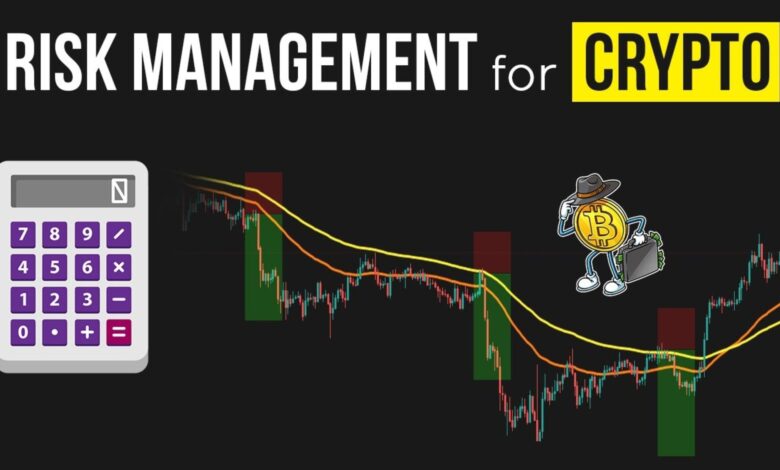
Remember: Risk management is not a barrier it’s a tool that protects your potential gains.