– including halving impact, institutional adoption, and risks.
Introduction
Since its launch in 2009, Bitcoin (BTC) has been the most famous and valuable cryptocurrency in the world. Investors often call Bitcoin “digital gold” because it was designed to be scarce and resistant to inflation much like gold. But in 2026, this idea is being tested in real time.
After years of rapid growth and headlines about Bitcoin price hitting new records, BTC has experienced big ups and downs. Some analysts still believe it is the best long-term store of value, while others warn that Bitcoin may not live up to that promise. In this article, we’ll break down the halving impact, institutional adoption, and the risks that Bitcoin faces in 2026 so you can understand whether it truly remains a safe store of wealth.
What Does “Store of Value” Mean?

A store of value is an asset that people expect to hold its worth over time. Traditional stores of value include:
- Gold
- Real estate
- Currencies during stable times
Bitcoin’s supporters argue that BTC’s fixed supply and decentralized network make it a superior store of value, especially in times of inflation or currency weakness. But critics say its price swings and lack of widespread utility make Bitcoin a risky store of value. The truth depends on how Bitcoin evolves over time.
The 2024 Halving and Its Impact (2026 View)
One of Bitcoin’s built-in mechanisms is called a halving. This event happens roughly every four years and cuts the reward miners receive for adding new blocks to the blockchain in half.
Why Halving Matters
Bitcoin’s total supply is capped at 21 million coins, and miners release new BTC roughly every 10 minutes. Halvings are important because they slow the rate at which new bitcoins are created, reducing inflation over time. This harder scarcity is similar to gold, which must be mined at increasing cost and effort.
The last major halving happened on April 19–20, 2024. After this halving:
- Block rewards for miners went from 6.25 BTC down to 3.125 BTC.
This helps slow Bitcoin’s inflation rate.
Historical Price Patterns After Halving
Historically, Bitcoin has tended to rise in price after halvings but not immediately. There’s often a delay of months or even a year before price effects show up. Some investors expect that reduced supply combined with rising demand leads to price increases over time.
However, 2025–2026 has shown more volatility than some expected. Bitcoin’s price fell sharply after a record high in late 2025, and 2026 opened with BTC trading significantly below peak levels. This has raised questions about the power of the halving alone in determining price.
Why Halving Does Not Guarantee Price Rises in 2026
Even though the halving reduces supply, the price still depends heavily on demand, and demand is influenced by many things such as:
- Broader market sentiment
- Institutional buying or selling
- Global economic conditions
- Regulatory news
In other words, halving creates scarcity, but scarcity alone cannot guarantee prices go up.
Institutional Adoption: Is Bitcoin Becoming Mainstream?
One of the biggest shifts in Bitcoin’s story has been the slow but steady entry of institutional investors big financial institutions, hedge funds, pension funds, and even traditional banks.
1. Spot Bitcoin ETFs
In recent years, regulators in the United States allowed the launch of spot Bitcoin exchange-traded funds (ETFs). These products let investors buy Bitcoin exposure through traditional financial markets without owning BTC directly.
According to market data, these ETFs have attracted billions of dollars in capital from large investors and wealth managers. This institutional interest lends credibility to Bitcoin as a legitimate asset class and is key to its story as a store of value.
2. Institutional Demand and Supply Constraints
Institutional investors are often long-term holders meaning they buy and hold rather than trade frequently. Some on-chain data show that Bitcoin reserves on major exchanges have been shrinking, which suggests that more BTC is being taken off the market into private or cold storage. When supply tightens and demand rises, this can support higher valuation over time.
3. Traditional Finance Taking Bitcoin Seriously
Even bankers who were once skeptical about Bitcoin are now acknowledging it. For example, Goldman Sachs’ CEO publicly says he owns some Bitcoin, marking a notable shift in traditional finance’s view on digital assets.
Banks, pension funds, and family offices are increasingly allocating a percentage of their portfolios to Bitcoin, seeing it as a diversifier and potential hedge against inflation.
Is Institutional Adoption Enough to Cement Bitcoin as a Store of Value?
Institutional adoption is important because it:
✔️ Brings large amounts of capital
✔️ Increases legitimacy in the eyes of regulators
✔️ Reduces reliance on speculative retail traders
But institutions also act rationally they may sell if risks outweigh rewards. Recent outflows from some ETF products and selling by institutional holders have shown that this support is not unbreakable.
Current Price Reality: Volatility and Mixed Signals

The Bitcoin market in early 2026 has been volatile:
- Prices have fallen from peaks near $126,000 last year to around $60,000–$70,000 in early 2026.
- Some analysts have lowered long-term price targets, citing weaker demand and institutional slowdowns.
Predictions vary widely from roughly $75,000 to $225,000 depending on models and assumptions. This wide range shows how uncertain forecasts remain.
Risks That Could Weaken Bitcoin as a Store of Value

Even with halving and institutional interest, Bitcoin faces several key risks in 2026:
1. High Volatility
Bitcoin’s price can change rapidly within hours or days much more than traditional stores like gold. Big swings can be triggered by macroeconomic news, regulatory changes, or large holders moving funds.
This volatility means Bitcoin may not be reliable in the short term as a store of wealth, especially for conservative investors.
2. Regulatory Uncertainty
Regulators around the world are still figuring out how to handle cryptocurrencies. Any unfavorable rules such as harsh restrictions on trading or custody can trigger sell-offs and price drops.
3. Macro Economic Conditions
Bitcoin often behaves like a risk asset meaning it can fall when stocks fall or global markets weaken. A global recession or sudden economic shock could reduce appetite for BTC.
4. Technological Competition
While Bitcoin remains dominant, other cryptocurrencies with different features (like smart contracts or faster transaction speeds) might attract capital. If those networks grow faster, Bitcoin’s market share could become relatively smaller.
5. Environmental and ESG Concerns
Bitcoin’s proof-of-work mining uses a lot of energy and investors with strong environmental, social, and governance (ESG) mandates may avoid BTC for ethical reasons.
6. Concentration of Supply
Much of Bitcoin’s supply is held by large holders institutions or whales. So if these groups decide to sell, it could put heavy downward pressure on prices.
Arguments in Favor of Bitcoin as a Store of Value
Despite the risks, several strong points support Bitcoin’s store-of-value thesis:
1. Scarcity and Predictability
BTC has a fixed supply cap of 21 million coins. No government or company can print more, unlike fiat currencies. This built-in scarcity is a key part of Bitcoin’s narrative as “digital gold.
2. Strong Network Security
Bitcoin’s global network of miners and nodes although competitive ensures that the blockchain remains secure. It has one of the strongest decentralized networks in history.
3. Institutional Infrastructure
The growth of regulated products like ETFs, custody solutions, and clearer regulation makes Bitcoin more accessible and legitimate for big investors, helping sustain long-term demand.
4. Long-Term Holder Behavior
On-chain data suggests long-term holders are keeping Bitcoin off exchanges, reducing sell pressure and potentially supporting price stability.
Bitcoin vs Gold: Which Is a Better Store of Value?
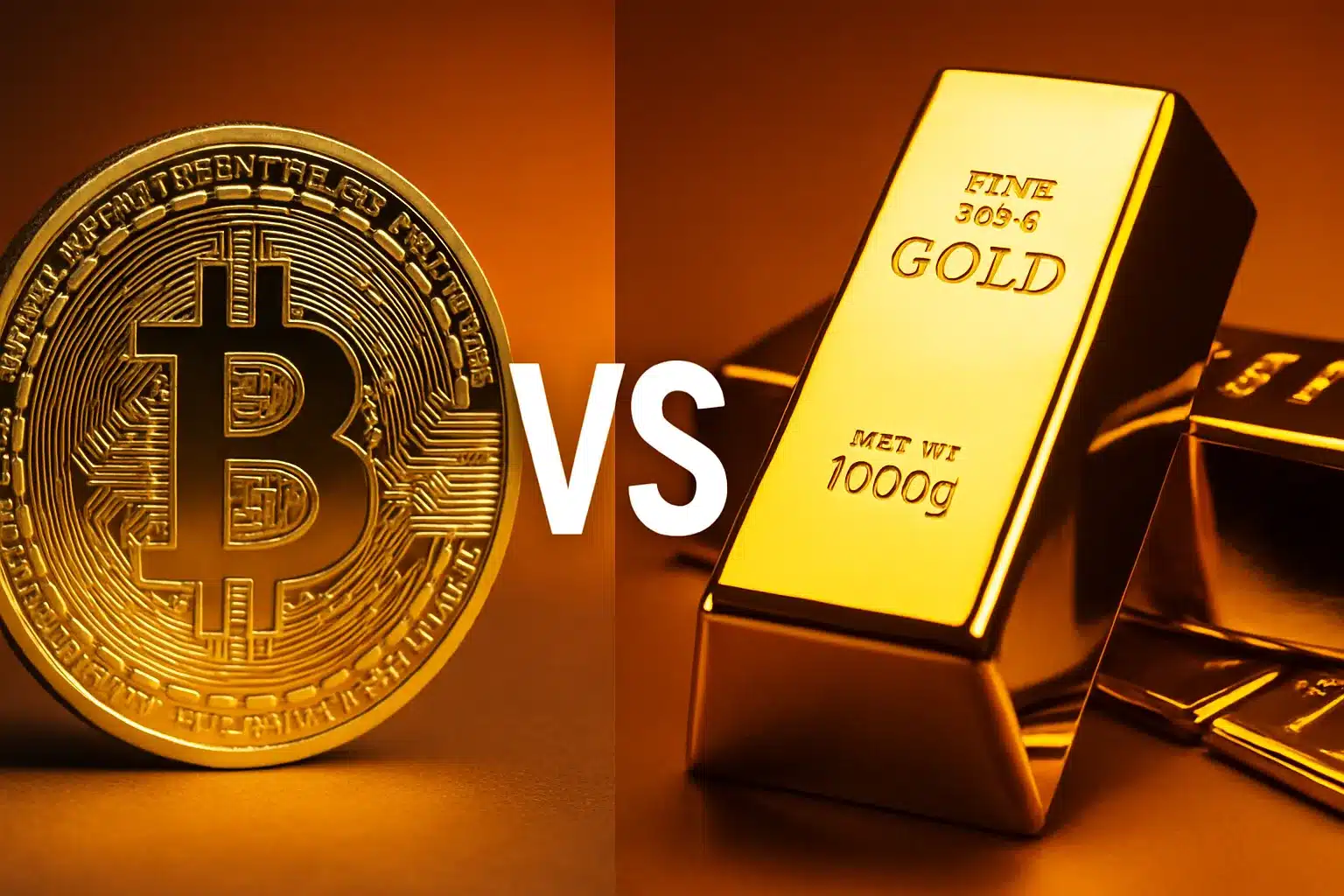
A common comparison is Bitcoin vs gold:
📉 Gold
- Centuries of history as a store of value
- Stable, low volatility
- Widely accepted globally
📈 Bitcoin
- Newer, more volatile
- Scarce and digital
- Easy to transfer globally
Bitcoin’s volatility makes it riskier than gold in the short term, but its scarcity and digital nature may appeal more to tech-oriented investors.
Conclusion: Is Bitcoin Still the Best Store of Value in 2026?
In 2026, the answer is “Not always but possibly for the long term.”
Bitcoin still has powerful advantages:
✔️ Limited supply and predictable issuance
✔️ Growing institutional adoption
✔️ Global trading infrastructure
✔️ Perception as “digital gold”
But it also has clear challenges:
⚠️ High short-term volatility
⚠️ Regulatory uncertainty
⚠️ Macro dependency on broader markets
⚠️ Competition from other assets
Whether BTC is the best store of value depends on your perspective:
- Long-term believers see Bitcoin’s digital scarcity as unique and potentially superior to gold.
- Short-term traders or conservative investors may find the price swings too risky.
- Institutional allocators increasingly include BTC in diversified portfolios, showing growing trust.
The truth in 2026 is that Bitcoin is more established and widely accepted than ever but its role as a leading store of value is still evolving. Future years, especially after regulatory clarity and economic shifts, will be crucial in answering this question definitively.
Summary: BTC in 2026 at a Glance
- Bitcoin’s scarcity continues to grow after the 2024 halving.
- Institutional capital and ETFs support long-term demand.
- Price remains volatile with bearish phases after a peak.
- Major risks like regulation, macro shocks, and market competition persist.
- Bitcoin remains a key digital store of value, but not risk-free.
See More fastcryptoalerts.com