Bitcoin’s Price Ups and Downs: Why Volatility Continues but Long-Term Investors Stay Optimistic

Bitcoin is the world’s first and most popular cryptocurrency. Since its launch in 2009, Bitcoin has changed how people think about money, banking, and investing. Over the years, Bitcoin has seen massive price increases, sudden crashes, and long periods of uncertainty. Even today, Bitcoin continues to face ups and downs because of global interest rates, government regulations, and economic conditions.
Despite this volatility, longterm investors remain optimistic about Bitcoin’s future. They believe Bitcoin has strong fundamentals, limited supply, and growing global adoption. This article explains why Bitcoin’s price keeps moving up and down, how interest rates and regulations affect it, and why long-term investors still believe in Bitcoin.
Understanding Bitcoin Volatility
Bitcoin is known for its price volatility. Volatility means that prices move up and down quickly and sometimes sharply. Unlike traditional assets such as gold or government bonds, Bitcoin is still a relatively young asset. Because of this, it reacts strongly to news, economic changes, and investor emotions.
Bitcoin’s volatility is not always a bad thing. For traders, volatility creates opportunities to make profits. However, for new investors, sudden price drops can be stressful and confusing. To understand Bitcoin’s behavior, it is important to look at the main factors affecting its price.
Role of Global Interest Rates

What Are Interest Rates?
Interest rates are set by central banks such as the U.S. Federal Reserve, the European Central Bank, and others. These rates control how expensive it is to borrow money. When interest rates are low, borrowing is cheap, and people are more willing to invest in assets like stocks and cryptocurrencies. When interest rates are high, borrowing becomes expensive, and investors often move their money into safer options.
How Interest Rates Affect Bitcoin
When global interest rates rise, investors become more cautious. They prefer low-risk investments like bonds or savings accounts that offer guaranteed returns. In such situations, risky assets like Bitcoin often face selling pressure, which causes prices to fall.
On the other hand, when interest rates are low or expected to decrease, investors look for higher returns. This often leads to increased demand for Bitcoin and other cryptocurrencies, pushing prices higher.
In recent years, changes in interest rate policies have caused frequent price swings in Bitcoin. Announcements from central banks often lead to sudden market reactions within minutes or hours.
Impact of Inflation and Economic Uncertainty

Inflation is another major factor influencing Bitcoin. Inflation means the decrease in the purchasing power of money. When inflation rises, people worry that their savings will lose value over time.
Bitcoin has a fixed supply of 21 million coins, which makes it different from traditional currencies that can be printed without limits. Because of this, many investors see Bitcoin as a hedge against inflation, similar to digital gold.
However, during times of extreme economic uncertainty, investors sometimes sell Bitcoin to cover losses elsewhere or move into cash. This creates short-term price drops, even though Bitcoin’s long-term value proposition remains strong.
Government Regulations and Bitcoin

Why Regulations Matter
Regulations play a huge role in Bitcoin’s price movement. Governments around the world are still trying to understand how to regulate cryptocurrencies. Some countries support crypto innovation, while others impose strict rules or bans.
Any news related to regulations can strongly affect Bitcoin’s price. Positive regulatory news often boosts market confidence, while negative news causes fear and sell-offs.
Types of Regulations Affecting Bitcoin
- Crypto Trading Rules Regulations on exchanges and trading platforms.
- Tax Policies Rules on how crypto profits are taxed.
- Anti-Money Laundering (AML) Laws Requirements for identity verification.
- Institutional Guidelines Rules allowing banks and funds to invest in Bitcoin.
While regulations sometimes create short-term fear, many experts believe that clear and fair regulations are good for Bitcoin in the long run. Regulations help reduce scams, protect investors, and encourage institutional participation.
Media Influence and Market Sentiment

Bitcoin is highly influenced by news and social media. Headlines about hacks, bans, or market crashes can cause panic selling. Similarly, positive news like adoption by major companies or approval of financial products can drive prices higher.
Market sentiment often moves faster than actual fundamentals. Fear and greed play a big role in Bitcoin’s short-term price movements. This emotional behavior explains why Bitcoin can rise or fall sharply in a short period.
Why Long-Term Investors Remain Optimistic

Despite all these challenges, long-term Bitcoin investors remain confident. They focus less on daily price changes and more on Bitcoin’s long term potential.
1. Limited Supply
Bitcoin’s supply is capped at 21 million coins. This scarcity makes Bitcoin valuable, especially as demand grows. Unlike fiat currencies, Bitcoin cannot be printed endlessly.
2. Growing Adoption
Bitcoin adoption continues to grow worldwide. More people, companies, and institutions are using Bitcoin for investment, payments, and savings. Large financial firms offering Bitcoin-related products have increased trust in the asset.
3. Institutional Investment
Institutional investors such as hedge funds, asset managers, and corporations are increasingly entering the Bitcoin market. Institutional involvement adds stability, liquidity, and long-term confidence.
4. Bitcoin as Digital Gold
Many investors see Bitcoin as “digital gold.” Like gold, Bitcoin is decentralized, scarce, and independent of governments. This makes it attractive during times of economic uncertainty.
5. Strong Network and Security
Bitcoin’s blockchain is one of the most secure networks in the world. It has never been hacked at the protocol level. This security builds trust among long-term holders.
Bitcoin Halving and Long-Term Value

Bitcoin halving is a major event that occurs approximately every four years. During a halving, the reward for mining new Bitcoin blocks is cut in half. This reduces the supply of new Bitcoin entering the market.
Historically, Bitcoin’s price has increased significantly in the years following each halving. While past performance does not guarantee future results, many investors believe halving events support Bitcoin’s long-term growth.
Short-Term Traders vs Long-Term Holders
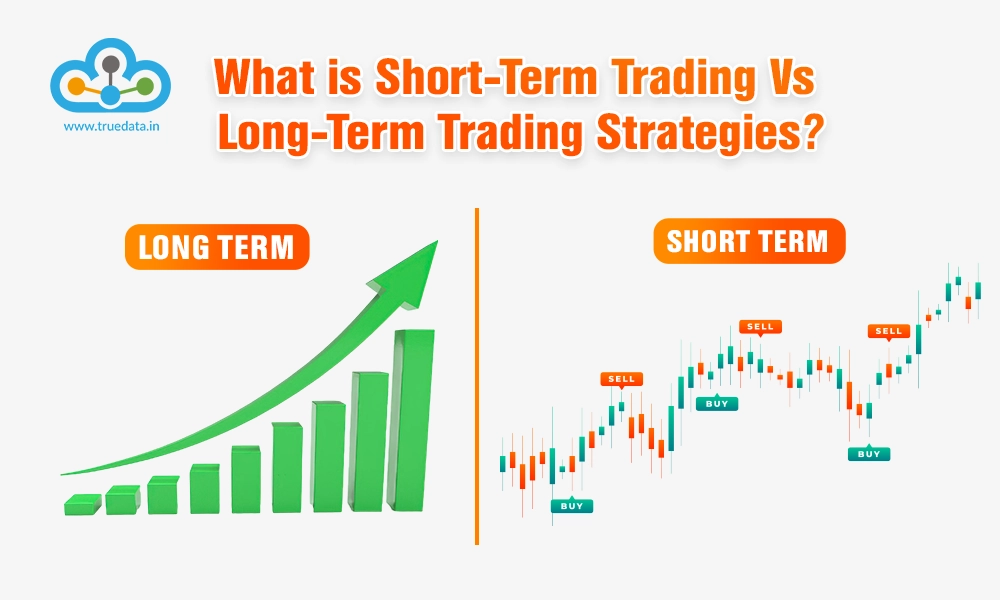
There is a big difference between short-term traders and long-term investors.
- Short-term traders focus on price charts, news, and quick profits.
- Long-term investors focus on fundamentals, adoption, and future value.
Long-term investors are less affected by daily ups and downs. They believe Bitcoin’s true value will increase over time as adoption grows and supply remains limited.
Risks That Still Exis
While optimism is strong, Bitcoin is not without risks. Investors should always be aware of the following:
- High price volatility
- Regulatory uncertainty
- Security risks on exchanges
- Market manipulation
- Technological competition
Understanding these risks helps investors make informed decisions rather than emotional ones.
How Long-Term Investors Manage Volatility
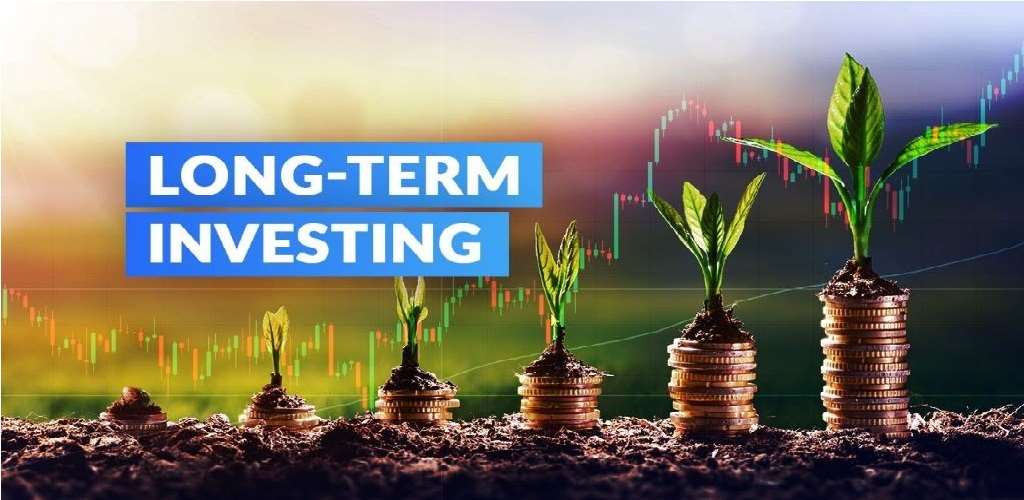
Long-term Bitcoin investors use different strategies to handle volatility:
- Dollar-Cost Averaging (DCA) Investing small amounts regularly.
- Holding (HODL) Keeping Bitcoin for years, ignoring short-term price moves.
- Diversification Investing in other assets alongside Bitcoin.
- Research-Based Decisions Focusing on fundamentals, not hype.
These strategies help investors stay calm during market downturns.
The Future Outlook of Bitcoin
Looking ahead, Bitcoin’s future depends on several factors:
- Global economic conditions
- Interest rate policies
- Regulatory clarity
- Technological development
- Adoption by institutions and governments
While short-term volatility is likely to continue, many experts believe Bitcoin will remain a key part of the global financial system in the future.
Conclusion

Bitcoin is still facing ups and downs due to global interest rates, regulations, and market sentiment. These factors create short-term volatility that can be challenging for new investors. However, long-term investors remain optimistic because of Bitcoin’s limited supply, growing adoption, institutional interest, and strong fundamentals.
Bitcoin has survived multiple market crashes, regulatory challenges, and global economic changes. Each time, it has emerged stronger and more widely accepted. While no investment is risk-free, Bitcoin continues to attract believers who see it as a long-term store of value and a revolutionary financial asset.
For investors who understand the risks and focus on the long term, Bitcoin’s volatility is not a weakness is part of its journey.
See More fastcryptoalerts.com