Crypto Coins Explained: Simple Breakdowns, Utility & Market Overview for Beginner


Introduction
The cryptocurrency market is very big and can feel confusing for beginners. There are thousands of coins listed on different exchanges. Each coin has a different purpose, utility, and level of risk. Some coins are strong and well-known, while others are new and risky.
Many beginners ask:
- What is this coin used for?
- Why is this coin popular?
- Is this coin risky or stable?
- How does the crypto market work overall?
This article is written to answer these questions in very easy English. It provides:
- Simple breakdowns of popular listed coins
- Explanation of coin utility (real use)
- A clear overview of the crypto market
This guide does not give investment advice. Its goal is education only.
1. What Does “Listed Coin” Mean?

A listed coin is a cryptocurrency that is available for trading on a crypto exchange.
When a coin is listed:
- People can buy and sell it easily
- The coin gets more visibility
- Trading volume usually increases
Being listed does not mean the coin is safe. It only means it is available for trading.
2. Understanding Coin Utility (Very Simple)

Utility means what a coin is used for.
Some coins have real utility, while others are mostly speculative.
Types of Utility
- Payments (sending money)
- Smart contracts
- Network fees
- Governance voting
- Gaming and NFTs
- Community and entertainment
Coins with real utility usually survive longer than coins with no use.
3. Breakdown of Major Listed Coins
Below are simple explanations of different types of listed coins and what they do.
Bitcoin (BTC) – Digital Store of Value
What it is:
Bitcoin is the first cryptocurrency.
Utility:
- Store of value
- Digital alternative to gold
- Peer-to-peer payments
Market Role:
Bitcoin leads the crypto market. When Bitcoin moves up or down, most other coins follow.
Risk Level:
Lower risk compared to most crypto coins, but still volatile.
Ethereum (ETH) Smart Contract Platform
What it is:
Ethereum is a blockchain that allows developers to build apps.
Utility:
- Smart contracts
- DeFi applications
- NFTs
- Transaction fees (gas fees)
Market Role:
Ethereum is the base for many other coins.
Risk Level:
Medium risk, strong long-term usage.
BNB (BNB Chain Coin) Exchange & Network Utility
What it is:
BNB is used inside a large crypto ecosystem.
Utility:
- Pay trading fees
- Run decentralized apps
- Participate in token launches
Market Role:
Strong use because it connects exchange users and blockchain users.
Solana (SOL) Fast Blockchain
What it is:
Solana is a high-speed blockchain.
Utility:
- Fast transactions
- Low fees
- NFTs and gaming
Market Role:
Popular for meme coins and new projects.
Risk Level:
Medium to high due to network issues in the past.
4. Meme Coins Breakdown (Utility vs Hype)

Dogecoin (DOGE)
Utility:
- Simple transactions
- Community tipping
Market Behavior:
Moves mainly because of hype and social media.
Shiba Inu (SHIB)
Utility:
- Token ecosystem
- Layer-2 network
- Community projects
Market Behavior:
Very community-driven, high volatility.
Pepe Coin (PEPE)
Utility:
- No real utility
Market Behavior:
Pure hype-based movement.
⚠️ Meme coins are very risky.
5. Stablecoins Breakdown
What Are Stablecoins?
Stablecoins are coins designed to stay close to $1 value.
Examples
- USDT
- USDC
Utility:
- Trading
- Saving value during market crashes
- Sending money quickly
Risk Level:
Lower volatility but still have regulatory and trust risks.
6. DeFi Coins Breakdown
What Is DeFi?
DeFi means Decentralized Finance.
DeFi Coin Utility
- Lending
- Borrowing
- Yield farming
- Liquidity providing
Examples:
- UNI
- AAVE
Market Risk:
Smart contract risks and hacks.
7. Gaming & NFT Coins Breakdown

What They Do
- Power games
- Buy digital items
- NFTs and metaverse access
Examples:
- MANA
- SAND
Market Behavior:
Depends on gaming popularity and trends.
8. Market Overview: How the Crypto Market Works

The crypto market is influenced by many factors.
Main Market Drivers
- Bitcoin price movement
- Global economic news
- Interest rates
- Regulation news
- Social media trends
Crypto markets are open 24/7, unlike stock markets.
9. Bull Market vs Bear Market
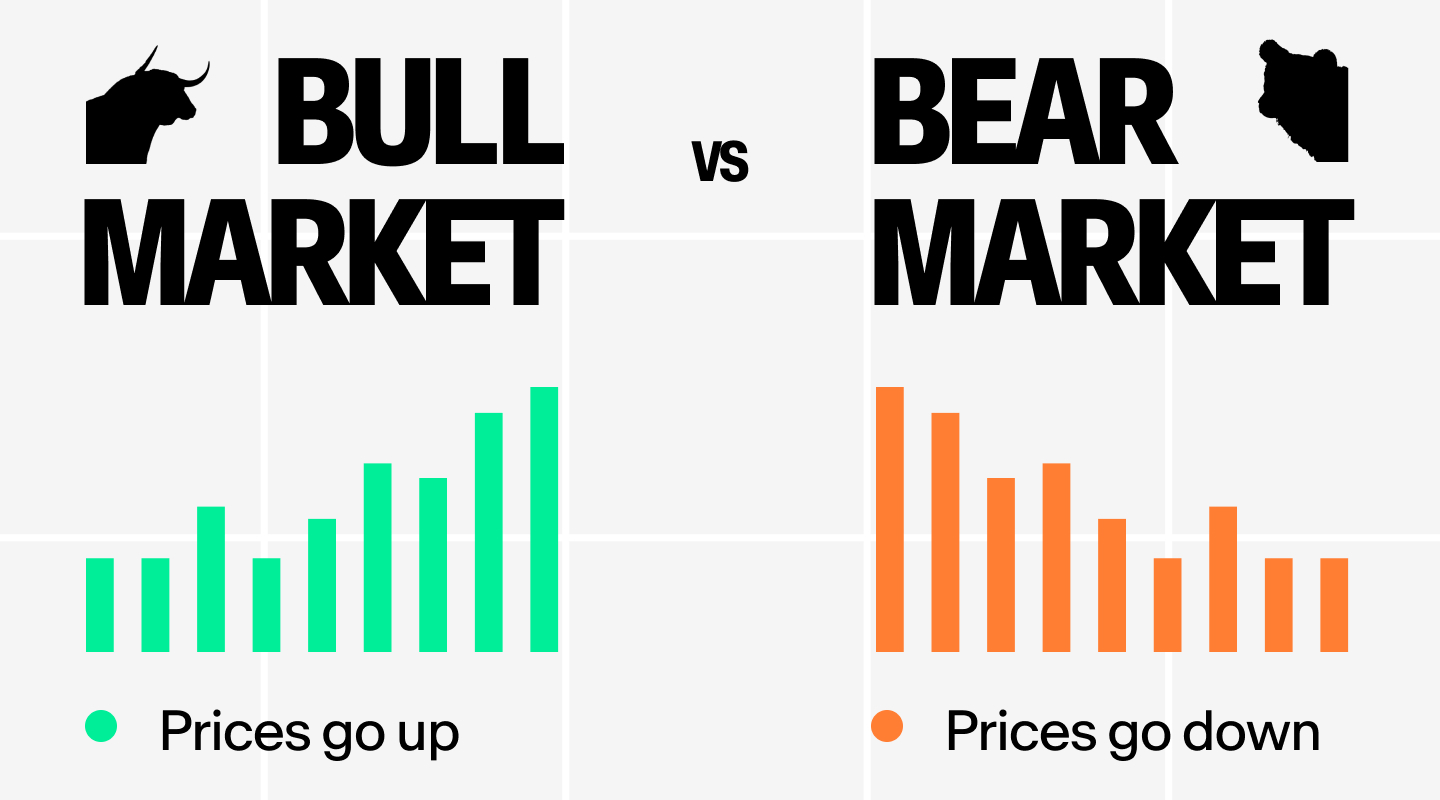
Bull Market
- Prices rising
- Positive sentiment
- High trading activity
Bear Market
- Prices falling
- Fear in market
- Low activity
Understanding market cycles helps reduce mistakes.
10. Market Capitalization Explained
Market cap = Price × Circulating Supply
Market Cap Types
- Large-cap (more stable)
- Mid-cap (balanced)
- Small-cap (high risk)
Market cap matters more than token price.
11. Liquidity and Volume
Liquidity
How easily a coin can be bought or sold.
Volume
How much trading happens daily.
Low liquidity coins are very risky.
12. Risks Across the Crypto Market
Common risks:
- Volatility
- Scams
- Rug pulls
- Regulation changes
- Emotional trading
Never ignore risk.
13. How Beginners Should Analyze Listed Coins
Simple checklist:
- What does the coin do?
- Does it have real utility?
- Is the community active?
- Is trading volume healthy?
- Is it hype-based or utility-based?
14. Common Beginner Mistakes
- Buying only because price is low
- Ignoring market cap
- Following influencers blindly
- Investing emotionally
Avoiding mistakes is more important than profits.
15. Future of Crypto Market
In the future:
- Strong utility coins may survive
- Weak hype coins may disappear
- Regulation will increase
- Education will become more important
Crypto will continue to evolve.
Final Thoughts
Understanding coin breakdowns, utility, and market overview is essential for anyone entering crypto.
Key takeaways:
✔ Not all listed coins are equal
✔ Utility matters more than hype
✔ Market cycles repeat
✔ Risk management is necessary
Learning before investing helps you:
- Protect your money
- Make smarter decisions
- Stay calm during volatility